
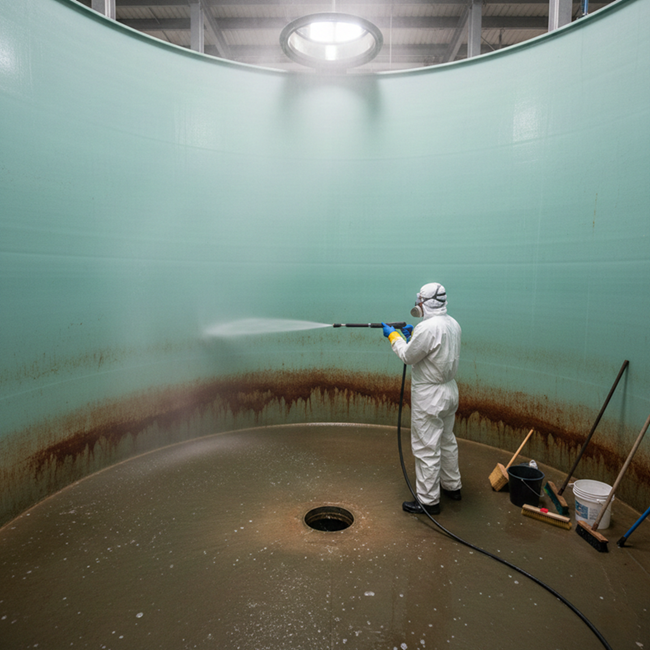
Fiberglass water tanks are widely used in homes, commercial buildings, and industrial facilities due to their durability, corrosion resistance, and long service life. However, to maintain water quality and extend the lifespan of the tank, regular cleaning is essential. If you’re searching for how to clean fiberglass water tanks, this guide will walk you through everything you need to know.
Why Cleaning Fiberglass Water Tanks Is Important
Over time, fiberglass water tanks can accumulate:
- Sediment and dirt
- Algae and bacterial growth
- Mineral deposits
- Unpleasant odors
Regular cleaning helps:
- Ensure safe and hygienic water
- Prevent contamination and health risks
- Improve tank efficiency
- Extend the life of the fiberglass tank
How Often Should You Clean Fiberglass Water Tanks?
Experts recommend cleaning fiberglass water tanks:
- At least once every 6–12 months for residential use
- Every 3–6 months for commercial or industrial use
High temperatures and frequent water usage may require more frequent cleaning.
How to Clean Fiberglass Water Tanks: Step-by-Step Process
1. Turn Off the Water Supply
Before starting, shut off the inlet valve and disconnect the tank from the water supply to prevent refilling during cleaning.
2. Drain the Tank Completely
Empty all the water from the fiberglass tank. Remove any remaining sludge or debris at the bottom.
3. Scrub the Interior Surface
Use a soft brush or non-abrasive sponge to gently scrub the inner walls and base of the tank. Avoid harsh brushes, as they can damage the fiberglass lining.
Recommended cleaning solution:
- Mild detergent mixed with warm water
- Avoid acidic or abrasive chemicals
4. Rinse Thoroughly
Rinse the tank multiple times with clean water to remove all soap residue and loosened dirt.
5. Disinfect the Fiberglass Water Tank
To kill bacteria and algae:
- Mix a safe chlorine solution (as per recommended water safety guidelines)
- Spread it evenly on all interior surfaces
- Leave it for 30–60 minutes
6. Final Rinse and Refill
After disinfection, rinse the tank thoroughly until no chlorine smell remains. Once clean, refill the tank with fresh water.
Do’s and Don’ts When Cleaning Fiberglass Water Tanks
✅ Do:
- Use soft brushes and mild cleaners
- Wear gloves and protective gear
- Clean in a well-ventilated area
❌ Don’t:
- Use metal brushes or sharp tools
- Use strong acids or abrasive chemicals
- Skip regular cleaning schedules
Professional Fiberglass Water Tank Cleaning
For large tanks or commercial systems, professional cleaning services are recommended. Professionals use specialized equipment and approved disinfectants to ensure deep cleaning without damaging the fiberglass surface.
Knowing how to clean fiberglass water tanks properly is essential for maintaining clean, safe, and healthy water. With regular cleaning and the right techniques, fiberglass water tanks can provide reliable service for many years.
If you own a fiberglass water tank, make routine cleaning a priority—it’s a small effort that delivers long-term benefits.