
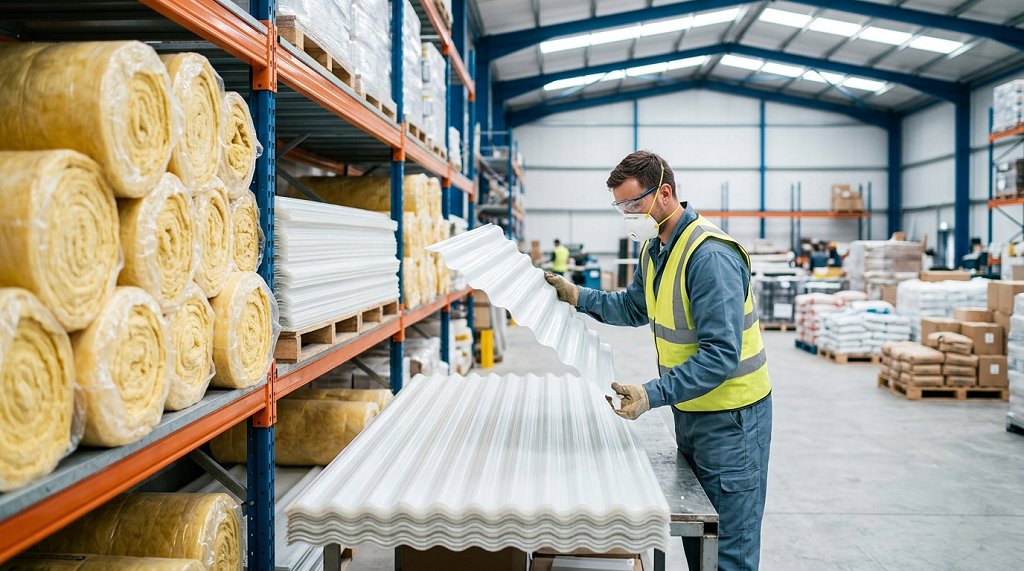
Fiberglass Insulation and Fiberglass Sheets: A Complete Guide by Al-Najof Fiberglass
When it comes to building materials that combine strength, energy efficiency, and long-term value, fiberglass remains one of the most trusted choices for homeowners, contractors, and industrial buyers alike. At Al-Najof Fiberglass, we manufacture and supply high-quality fiberglass insulation and fiberglass sheets for a wide range of residential, commercial, and industrial applications. In this guide, we’ll break down what fiberglass is, why it’s so widely used, and address one of the most common concerns people have: is fiberglass dangerous, and what happens when you get fiberglass on skin.
What Is Fiberglass and Why Is It So Popular?
Fiberglass is a composite material made from fine strands of glass woven together to create a strong, lightweight, and versatile product. It’s prized across industries because it offers:
- Excellent thermal and acoustic insulation
- High resistance to moisture, corrosion, and fire
- Durability that outlasts many traditional building materials
- Cost-effectiveness compared to alternatives like metal or solid wood
- Easy installation and customization for different project needs
These properties make fiberglass a go-to material for insulation, roofing, cladding, and structural panels in homes, offices, warehouses, and factories.
Fiberglass Insulation: Keeping Buildings Comfortable and Efficient
Fiberglass insulation is one of the most widely used insulation materials in the construction industry, and for good reason. It’s installed in walls, attics, floors, and ceilings to regulate indoor temperature and reduce energy consumption.
Benefits of Fiberglass Insulation
- Energy savings – By trapping air pockets within the glass fibers, fiberglass insulation slows down heat transfer, keeping interiors cooler in summer and warmer in winter.
- Sound dampening – The dense fiber structure also reduces noise transmission between rooms and floors.
- Fire resistance – Unlike some organic insulation materials, fiberglass does not easily ignite, adding a layer of safety to buildings.
- Non-settling – Properly installed fiberglass insulation maintains its shape and effectiveness for decades without sagging or losing performance.
- Affordability – It offers one of the best price-to-performance ratios among insulation materials on the market.
At Al-Najof Fiberglass, we supply insulation products in batts, rolls, and loose-fill forms to suit different construction requirements, whether you’re insulating a new build or retrofitting an older property.
Fiberglass Sheets: Strength and Versatility for Every Project
Fiberglass sheets are another core product line at Al-Najof Fiberglass, used extensively in roofing, wall paneling, industrial enclosures, and even agricultural structures like greenhouses.
Why Choose Fiberglass Sheets?
- Lightweight yet strong – Easy to transport and install without compromising structural integrity.
- Corrosion-resistant – Ideal for humid or chemically harsh environments where metal sheets would rust.
- Translucent options available – Perfect for greenhouses, skylights, and daylighting applications that need natural light without sacrificing durability.
- Low maintenance – Fiberglass sheets resist weathering, UV damage, and general wear far better than many traditional roofing materials.
- Customizable – Available in various thicknesses, colors, and finishes to match specific project specifications.
Whether you’re building an industrial facility, a residential extension, or an agricultural structure, fiberglass sheets from Al-Najof Fiberglass offer a reliable, long-lasting solution.
Is Fiberglass Dangerous? Separating Fact from Fear
A common question we hear from customers is: is fiberglass dangerous? The short answer is that fiberglass is safe when handled and installed correctly, but like many construction materials, it does require some precautions during handling and installation.
Here’s what you should know:
- Airborne fibers can cause temporary irritation if inhaled during cutting or installation, which is why proper ventilation and dust masks are recommended.
- Skin contact can cause mild, short-term irritation (more on this below), but this is not a long-term health hazard when basic precautions are taken.
- Once installed, fiberglass insulation and sheets are enclosed within walls, ceilings, or panels, meaning there is minimal ongoing exposure risk to residents or workers in the space.
- Regulatory bodies in many countries classify fiberglass as a “possible” irritant rather than a proven carcinogen, and decades of use in construction have shown it to be a safe, stable material once properly installed.
In short, fiberglass is not inherently dangerous, but it should be handled with the same basic safety awareness you’d apply to any building material — gloves, long sleeves, and a mask during installation go a long way.
Fiberglass on Skin: What to Do and How to Avoid Irritation
Dealing with fiberglass on skin is one of the most talked-about topics among installers and DIY enthusiasts. The tiny glass fibers can cause an itchy, prickly sensation similar to a mild rash, especially if you’re handling insulation or cutting fiberglass sheets without protective gear.
How to Prevent Fiberglass Skin Irritation
- Wear long sleeves, gloves, and safety goggles when handling fiberglass materials
- Avoid touching your face while working with insulation or sheets
- Work in a well-ventilated area to minimize airborne fiber contact
- Use a dust mask or respirator when cutting fiberglass sheets
What to Do If Fiberglass Gets on Your Skin
- Avoid rubbing or scratching the affected area, as this can push fibers deeper into the skin.
- Rinse with cool water to help loosen and remove fibers from the skin’s surface.
- Use adhesive tape gently pressed and lifted off the skin to pull out visible fibers.
- Wash with soap and water afterward, then apply a soothing lotion if irritation persists.
- Change clothes and wash them separately, since fibers can cling to fabric and cause repeated irritation.
Most fiberglass skin irritation resolves within a few hours and is not a cause for medical concern, but taking these simple steps can make the process far more comfortable.
Why Choose Al-Najof Fiberglass?
At Al-Najof Fiberglass, we combine years of manufacturing expertise with a commitment to quality, safety, and customer satisfaction. Our range of fiberglass insulation and fiberglass sheets is designed to meet the demands of modern construction while offering the durability and performance our customers rely on.
Whether you’re a contractor sourcing bulk insulation for a large-scale project or a homeowner looking for reliable roofing sheets, our team is here to help you choose the right fiberglass products for your needs — along with guidance on safe handling and installation best practices.
Final Thoughts
Fiberglass remains one of the most reliable, cost-effective, and versatile materials in construction today. From fiberglass insulation that keeps your home energy-efficient to fiberglass sheets that provide durable, weather-resistant coverage, this material has stood the test of time. And while questions about safety — including is fiberglass dangerous and how to handle fiberglass on skin — are worth understanding, the reality is that fiberglass is a safe, well-regulated material when handled with basic precautions.
Ready to source high-quality fiberglass products for your next project? Contact Al-Najof Fiberglass today to learn more about our full range of insulation and sheet solutions.